Cookie consent
We use cookies. They help us to understand your interactions with the website.

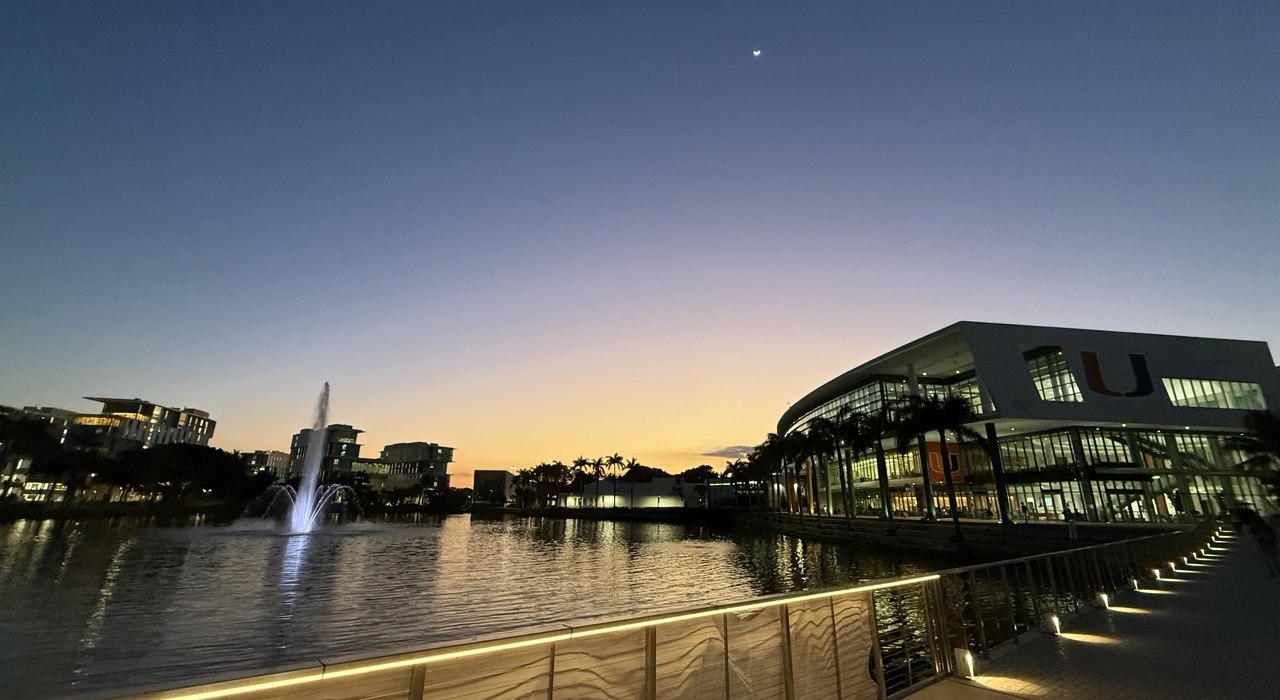
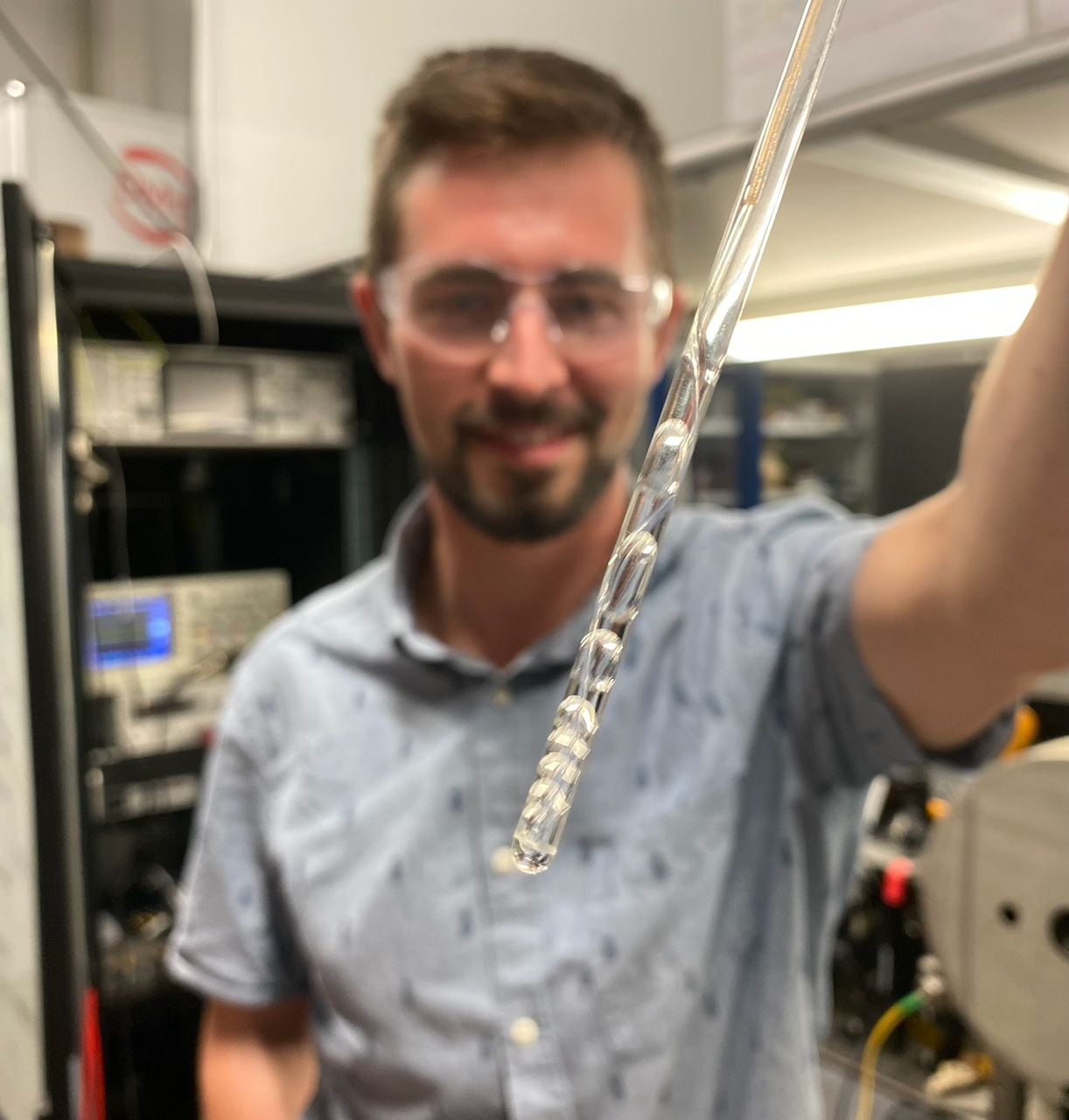
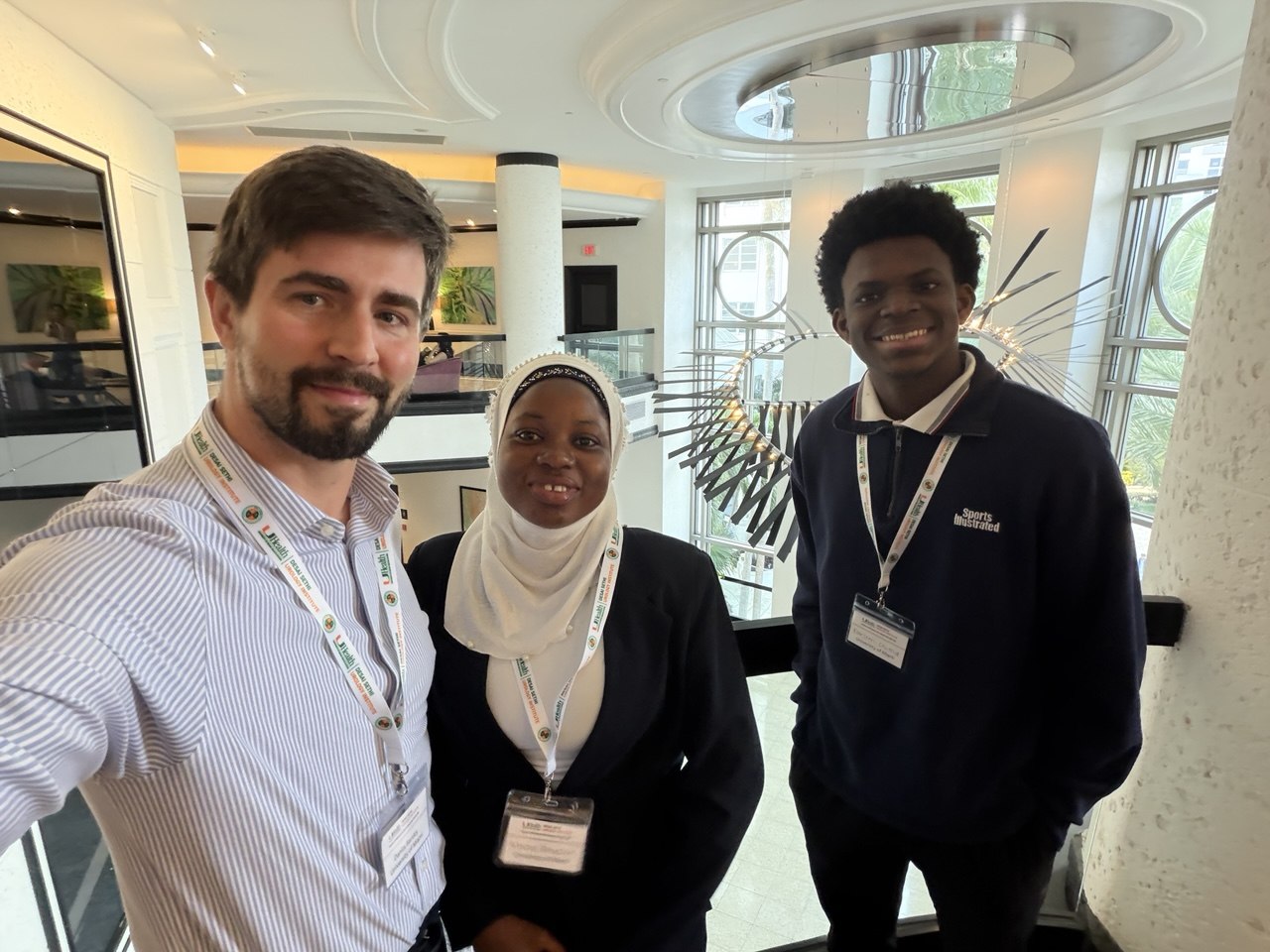
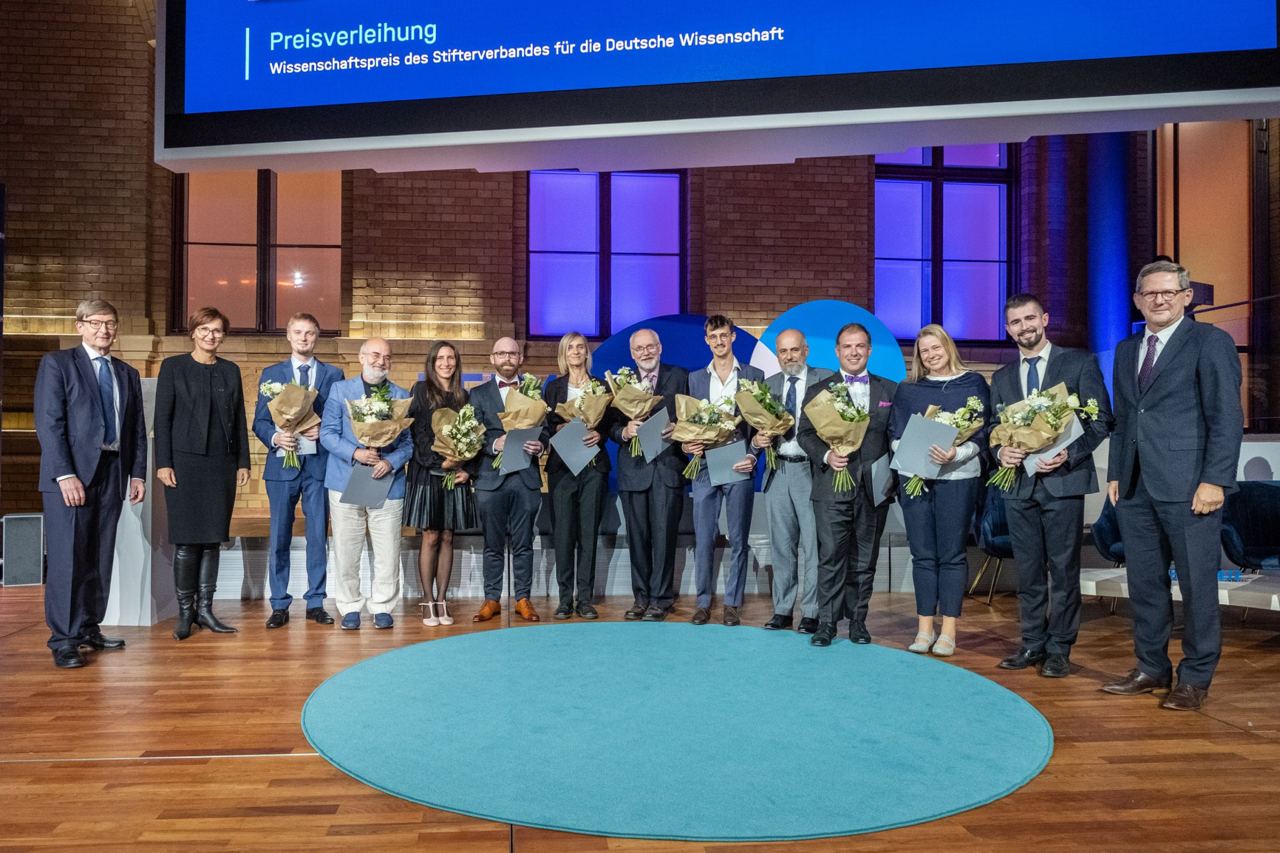
We welcome students with training in chemistry, physics, electrical engineering, applied mathematics, or computer science, especially those interested in NMR, analytical chemistry, chemical kinetics, hyperpolarization, and emerging quantum sensing measurement methods.
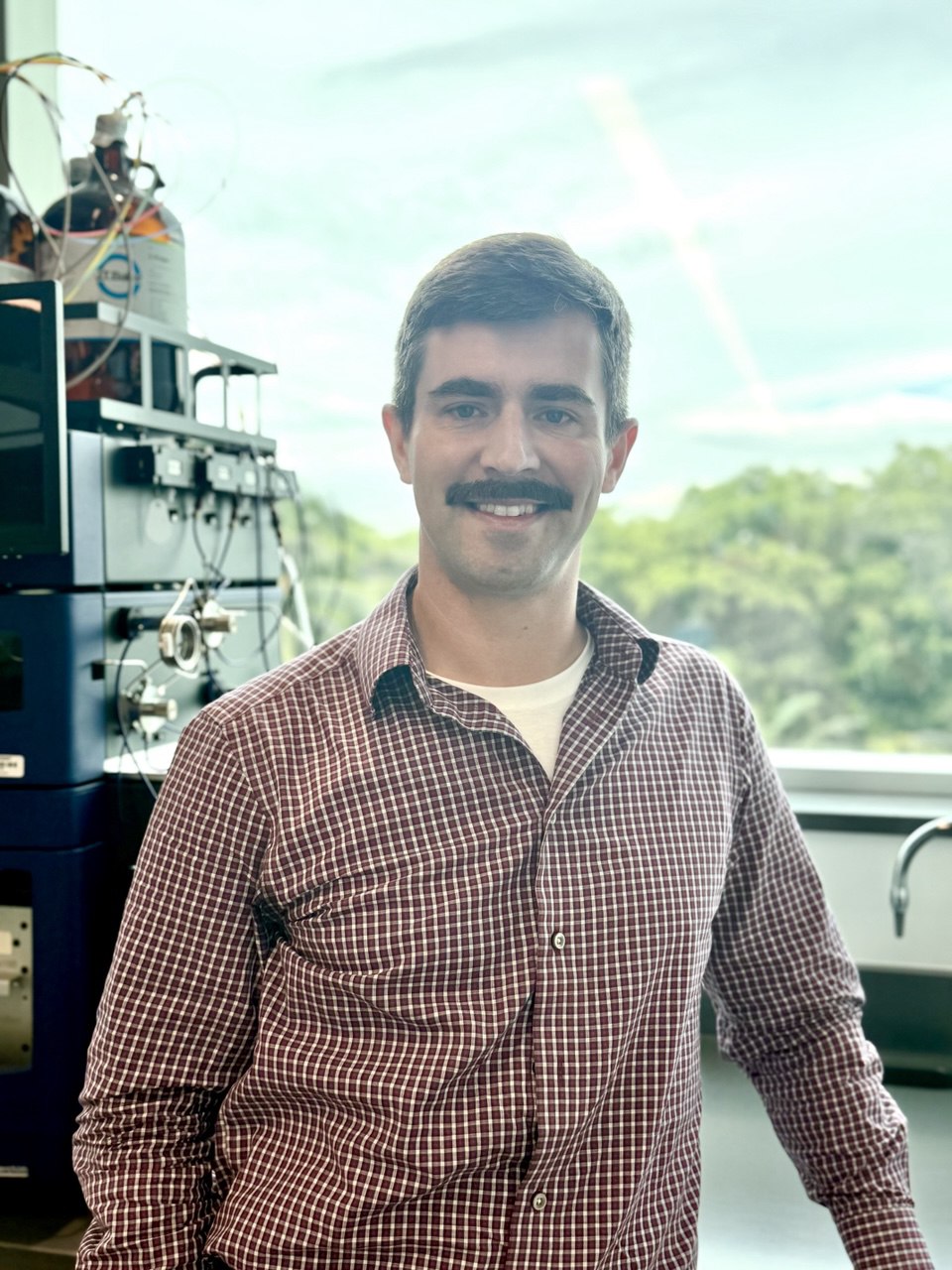
Danila Barskiy is an Associate Professor of Chemistry with secondary appointment in Physics, and a member of the Frost Institute for Chemistry and Molecular Sciences (FICMS) at the University of Miami. He earned his PhD at Novosibirsk State University, completed postdoctoral training at Vanderbilt University and UC Berkeley, and previously led an independent research group in Mainz, Germany. His laboratory develops quantitative methodologies that integrate spin hyperpolarization, benchtop, low-field, and zero-to-ultralow-field (ZULF) NMR/MRI and quantum sensing, combining hands-on instrument/method development with modeling and experimental design. He is a recipient of the Sofja Kovalevskaja Award, the Erwin Schrödinger Prize of the Helmholtz Centers, and the 2025 Varian Young Investigator Award.
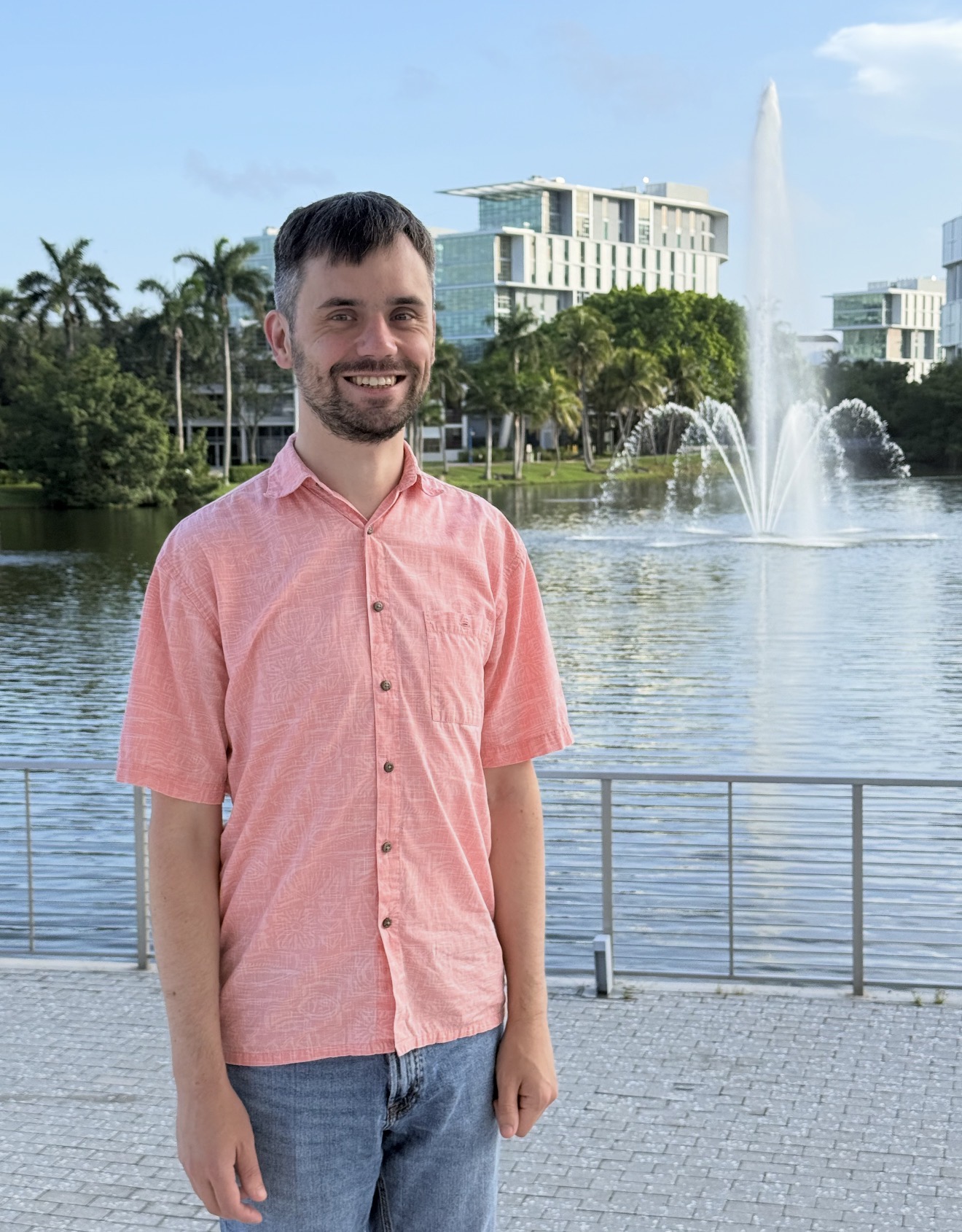
I earned my PhD in Photochemistry from Bowling Green State University in Ohio, where I investigated the ultrafast pump–probe dynamics of inorganic complexes. I then completed postdoctoral training at Virginia Tech, focusing on time-resolved spectroscopy of molecular materials and MOFs. My research combines experimental spectroscopy with computational chemistry, including DFT calculations, to gain molecular-level insight into photophysical and photochemical processes. I also enjoy developing scripts and computational tools for data processing, analysis, and visualization to streamline research workflows. In the lab, I aim to use photons to generate hyperpolarization, expanding the capabilities of NMR spectroscopy for the sensitive detection of biologically relevant molecules.
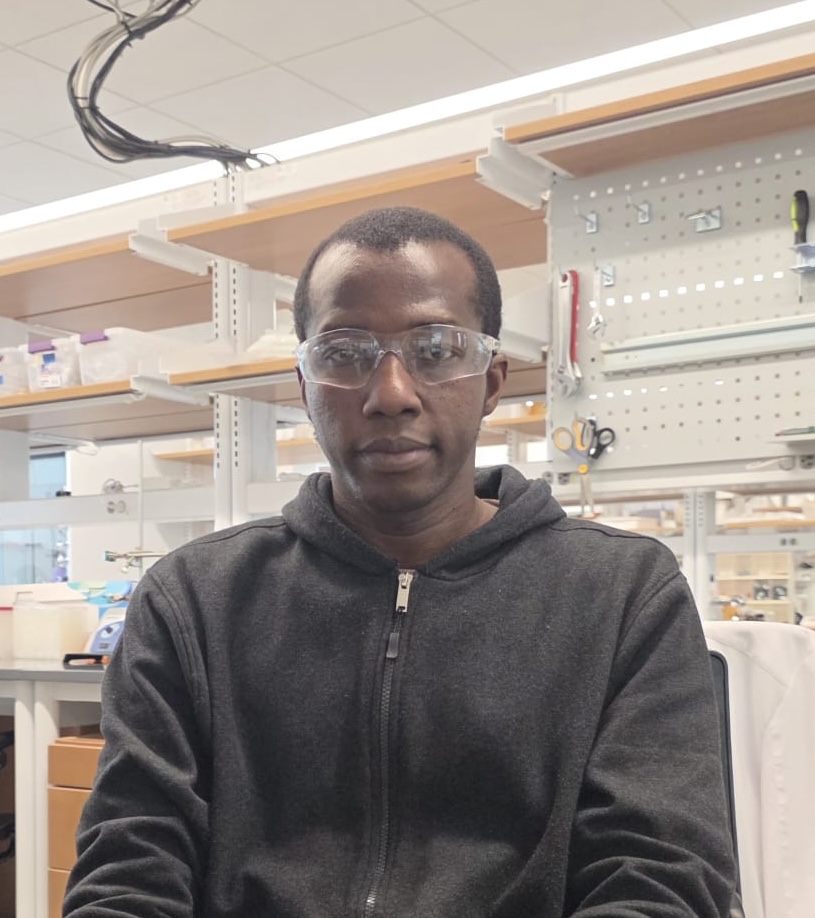
I aim to develop and optimize PHIP and SABRE methods to generate biocompatible hyperpolarized probes labeled with 13C and 1H, with emphasis on exchange kinetics, magnetic field control, and delivery strategies. By combining engineered hyperpolarization platforms and low-field detection, I intend to advance sensitive investigation of weak protein-ligand interactions and rapid analysis of metabolites in complex samples.

As a pre-medical chemistry student, I am interested in applications of chemistry in the advancement of medical imaging techniques for metabolic tracking and improving diagnostic accuracy.

I am particularly interested in connecting computer science with hyperpolarization-based molecular imaging to trace biomolecules for tumor detection, contributing to interdisciplinary research that potentially supports advancing neurosurgery.
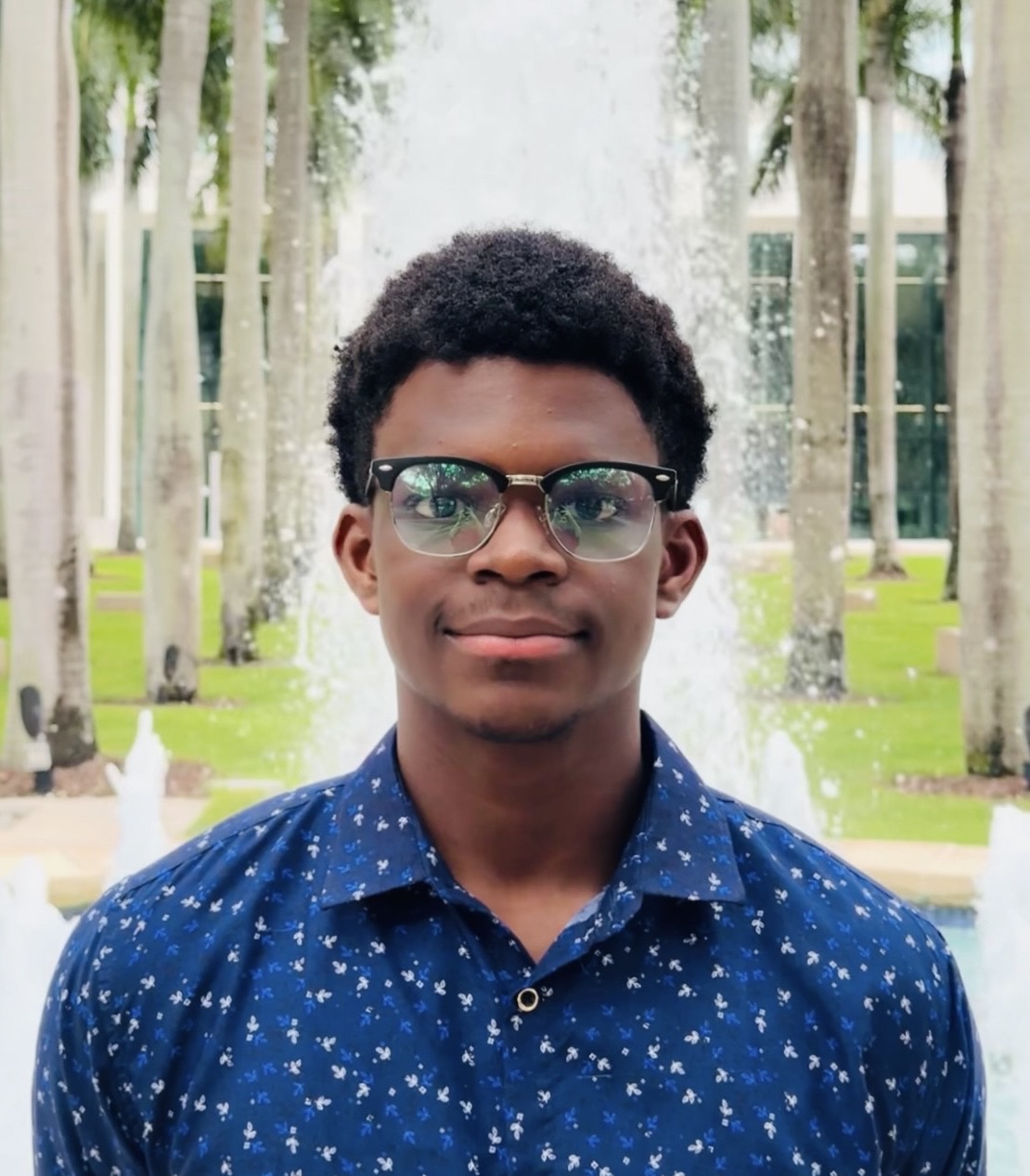
My research centers on understanding the bridge between quantum electrodynamics, spin dynamics, and chemical systems, with nuclear magnetic resonance (NMR) serving as a key experimental and theoretical framework.I also explore how artificial intelligence can augment analytical and diagnostic workflows with the goal of integrating spin physics, NMR theory, and AI-driven modeling, to develop more powerful tools for chemical analysis and precision health applications.
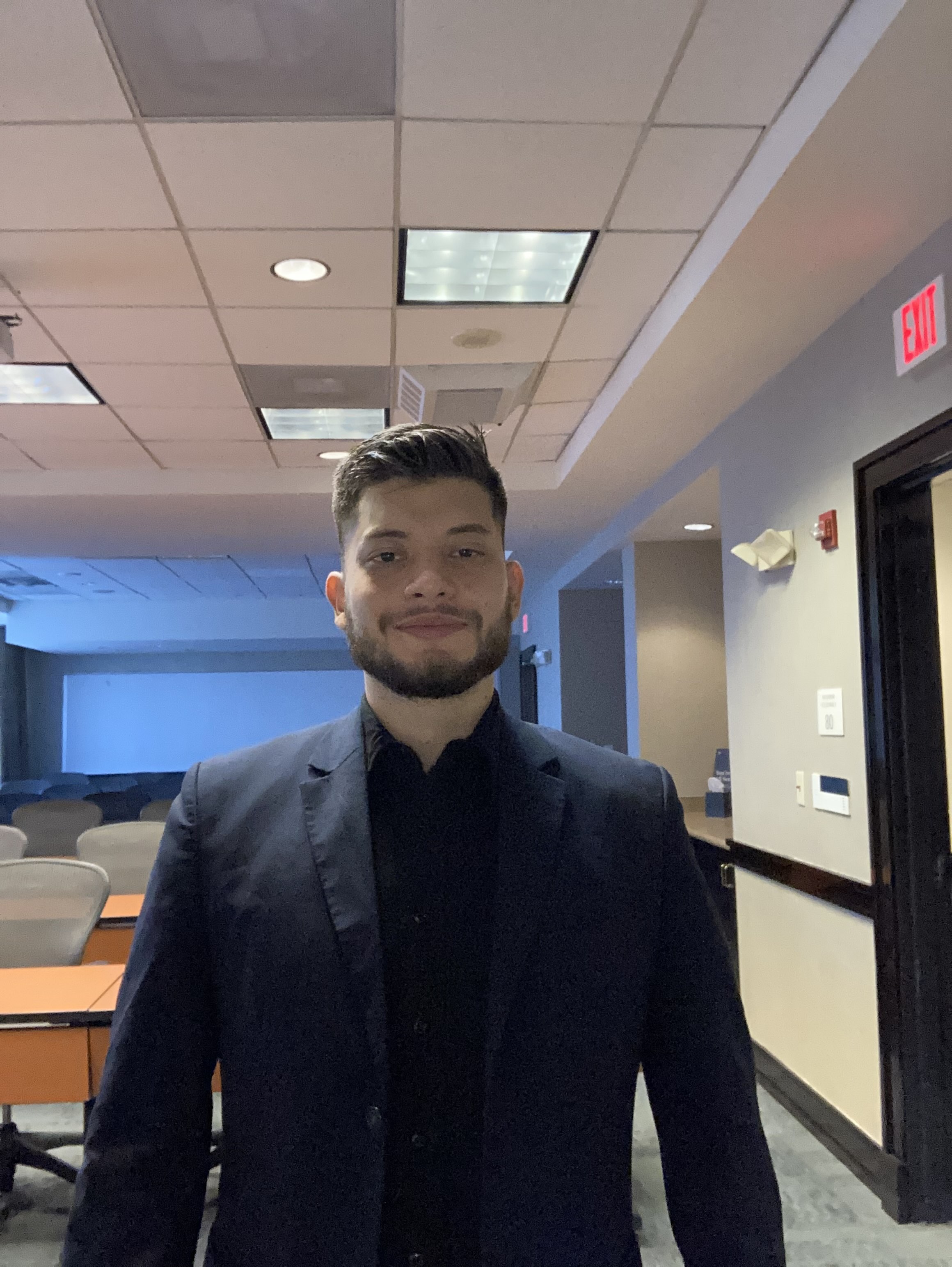
I am a Chemical and Biomolecular Engineering student at the Georgia Institute of Technology. I am interested in NMR spectroscopy, pulse sequence development, and the use of artificial intelligence to enhance NMR instrumentation, data acquisition, and chemical sensing.
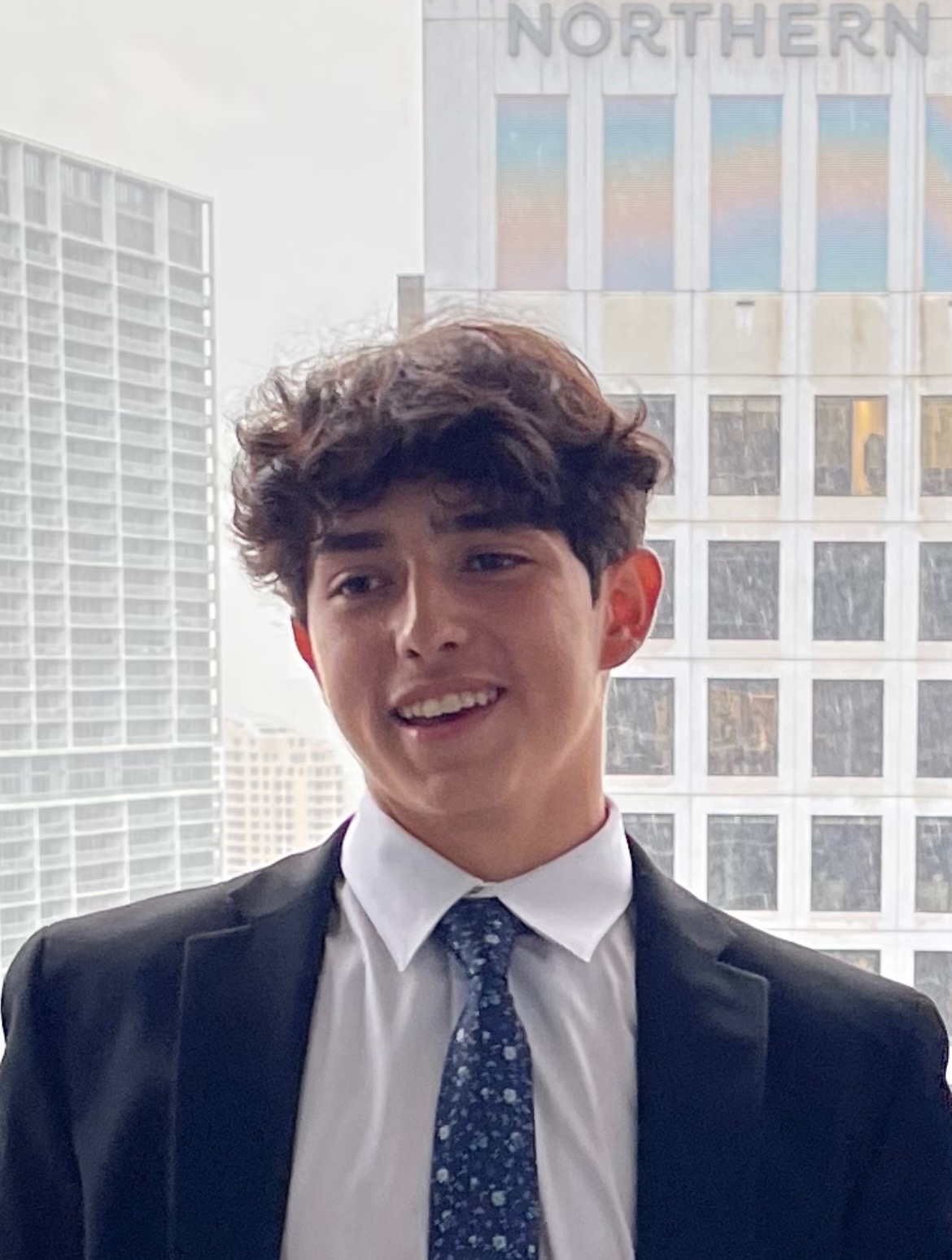
I am a Chemical Engineering student at Stanford University interested in hyperpolarization chemistry, particularly the optimization of SABRE and SABRE-relay systems. I am also interested in leveraging NMR for fragment-based drug discovery and metabolomics to expand its applications in biomedical research and therapeutic development.
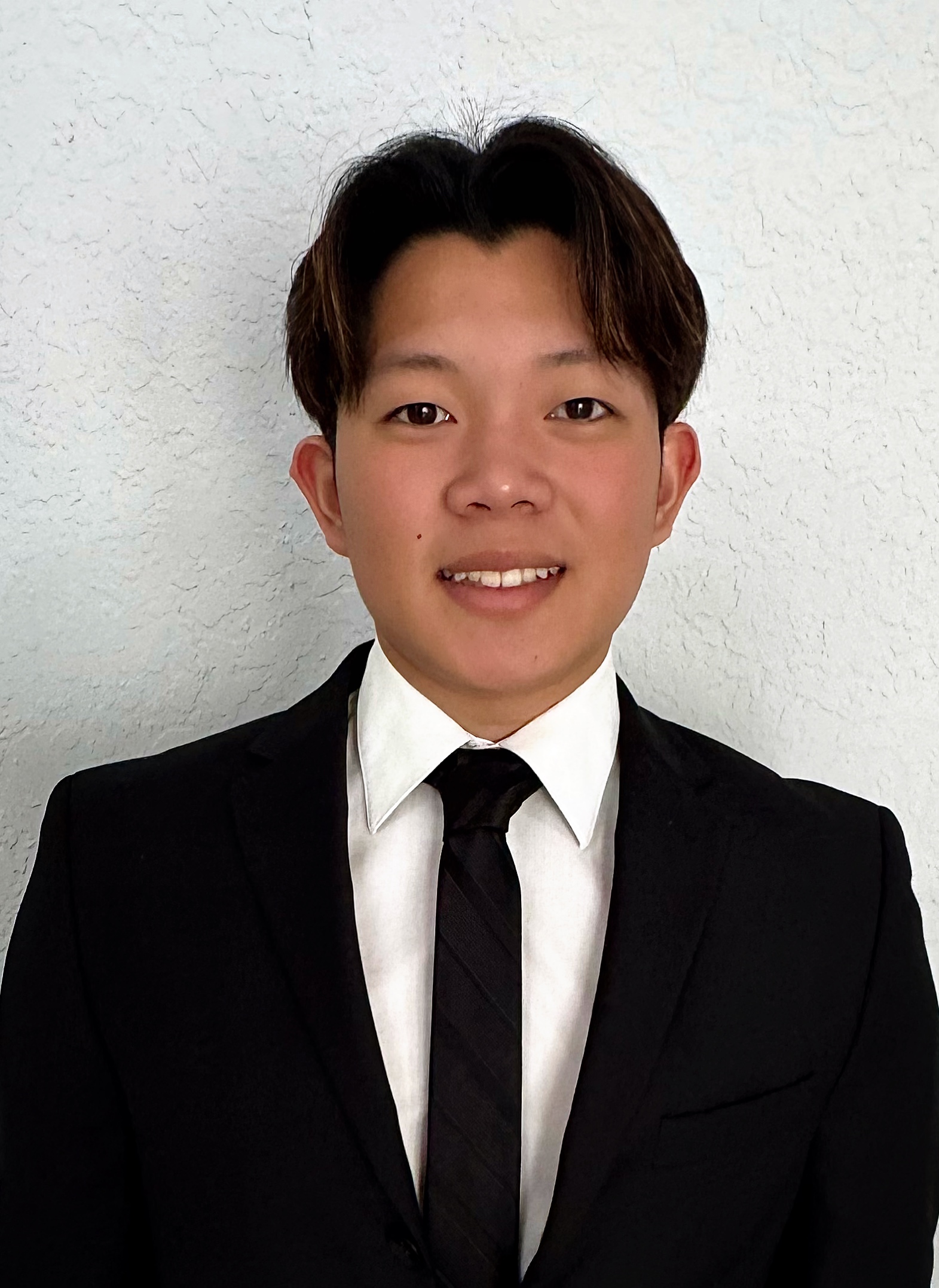
I am a Premed Behavioral Neuroscience and Chemistry student at FIU who’s interested in multidisciplinary research in chemistry, physics, and medicine with a focus on MRI and NMR technology research relevant to human health and neuroscience.
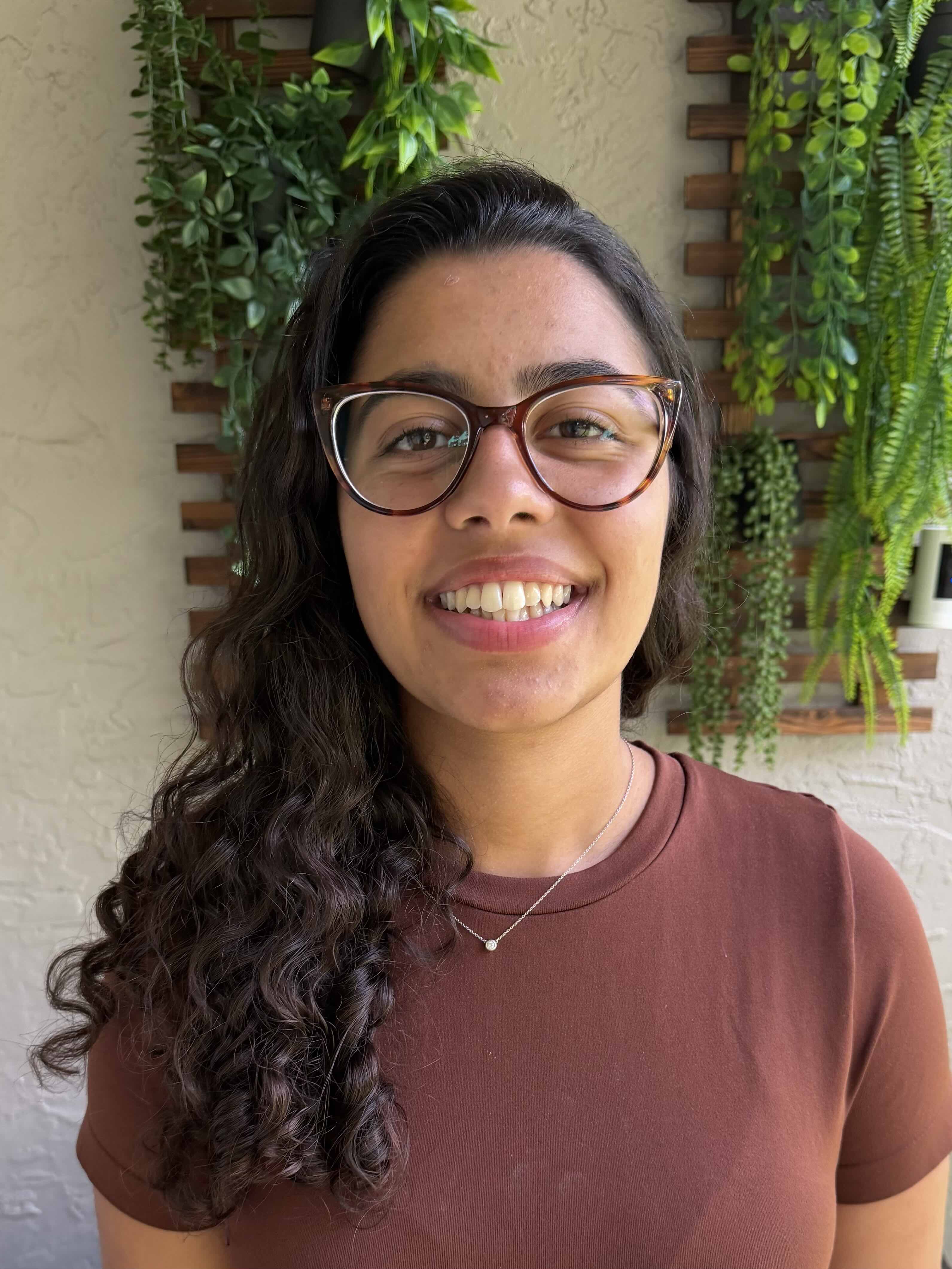
I am a physics and mathematics student at University of Florida interested at the intersection of physics and chemistry in hyperpolarized NMR techniques for studying spin dynamics and molecular interactions.
Amina Alhassan
We use cookies. They help us to understand your interactions with the website.