Cookie consent
We use cookies. They help us to understand your interactions with the website.

We welcome students with training in chemistry, physics, electrical engineering, applied mathematics, or computer science, especially those interested in NMR, analytical chemistry, chemical kinetics, hyperpolarization, and emerging quantum sensing measurement methods.
Develop hyperpolarized NMR methods to quantitatively measure metabolic and transmembrane fluxes in cell cultures without radioactive tracers. Work includes hyperpolarization chemistry (PHIP/SABRE), benchtop NMR, kinetic modeling, automation, and data analysis of real-time metabolic readouts.
Build a low-field, magnetometry-compatible platform where hyperpolarized xenon reports on fragment–protein binding via relaxation and exchange. Projects span assay design, relaxometry models, signal processing, data analysis, and benchmarking against orthogonal biophysical methods. Skills you will develop: NMR spectroscopy and relaxometry; chemical kinetics and quantitative modeling; hyperpolarization workflows; low-field instrumentation; MATLAB/Python simulation and data analysis
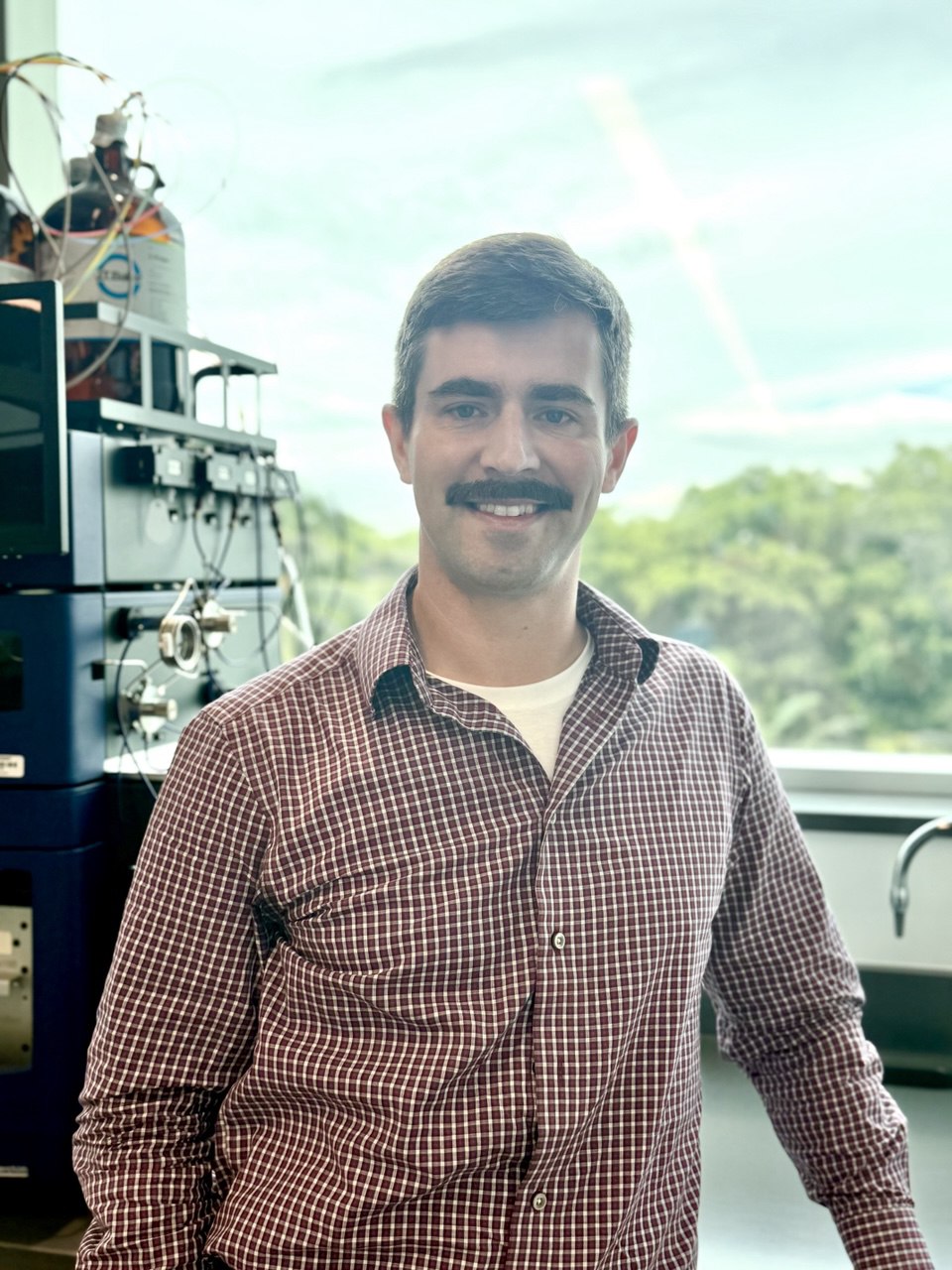
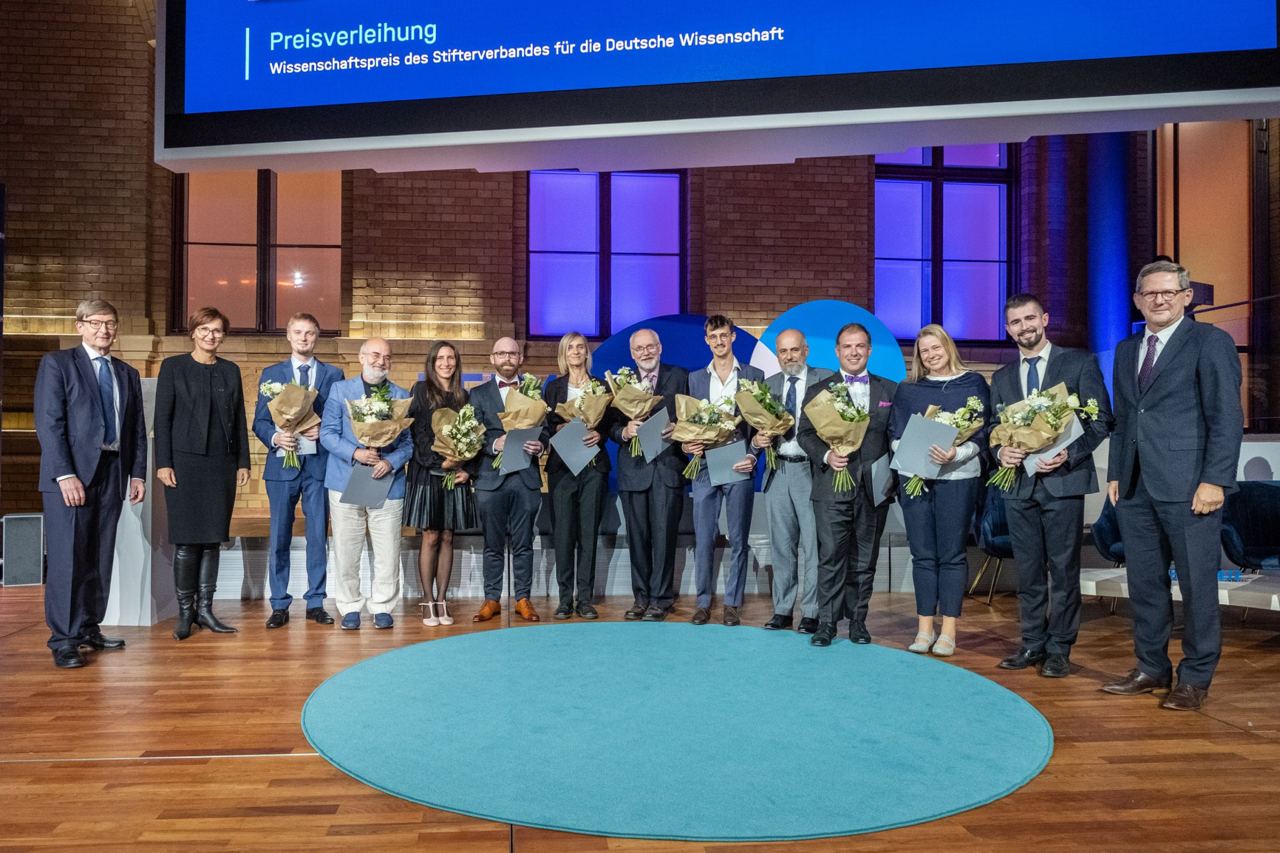
Danila Barskiy is an Associate Professor of Chemistry and a member of the Frost Institute for Chemistry and Molecular Sciences at the University of Miami. He earned his PhD at Novosibirsk State University, completed postdoctoral training at Vanderbilt University and UC Berkeley, and previously led an independent research group in Mainz, Germany. His laboratory develops quantitative NMR and MRI methodologies that integrate hyperpolarization, benchtop, low-field, and zero-to-ultralow-field (ZULF) detection and quantum sensing, combining hands-on instrument/method development with modeling and experimental design. He is a recipient of the Sofja Kovalevskaja Award, the Erwin Schrödinger Prize of the Helmholtz Centers, and the 2025 Varian Young Investigator Award.
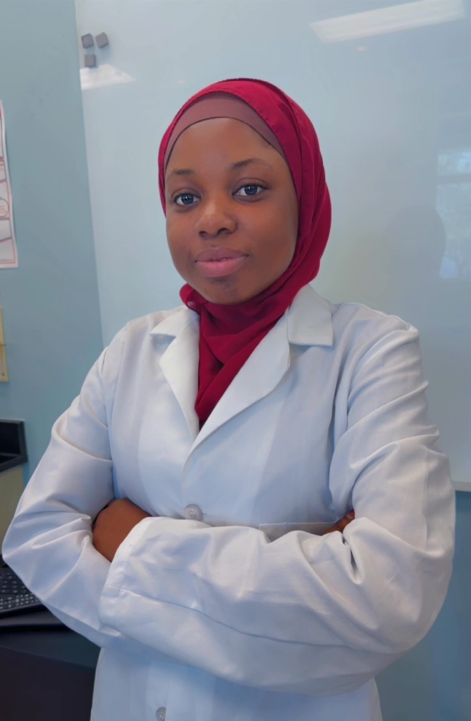
My work centers on hyperpolarized NMR and MRI technologies to directly observe metabolic transformations in living cells. I am particularly interested in advancing NMR signal enhancement strategies to enable real-time, quantitative imaging of cellular metabolism and disease-associated metabolic reprogramming.
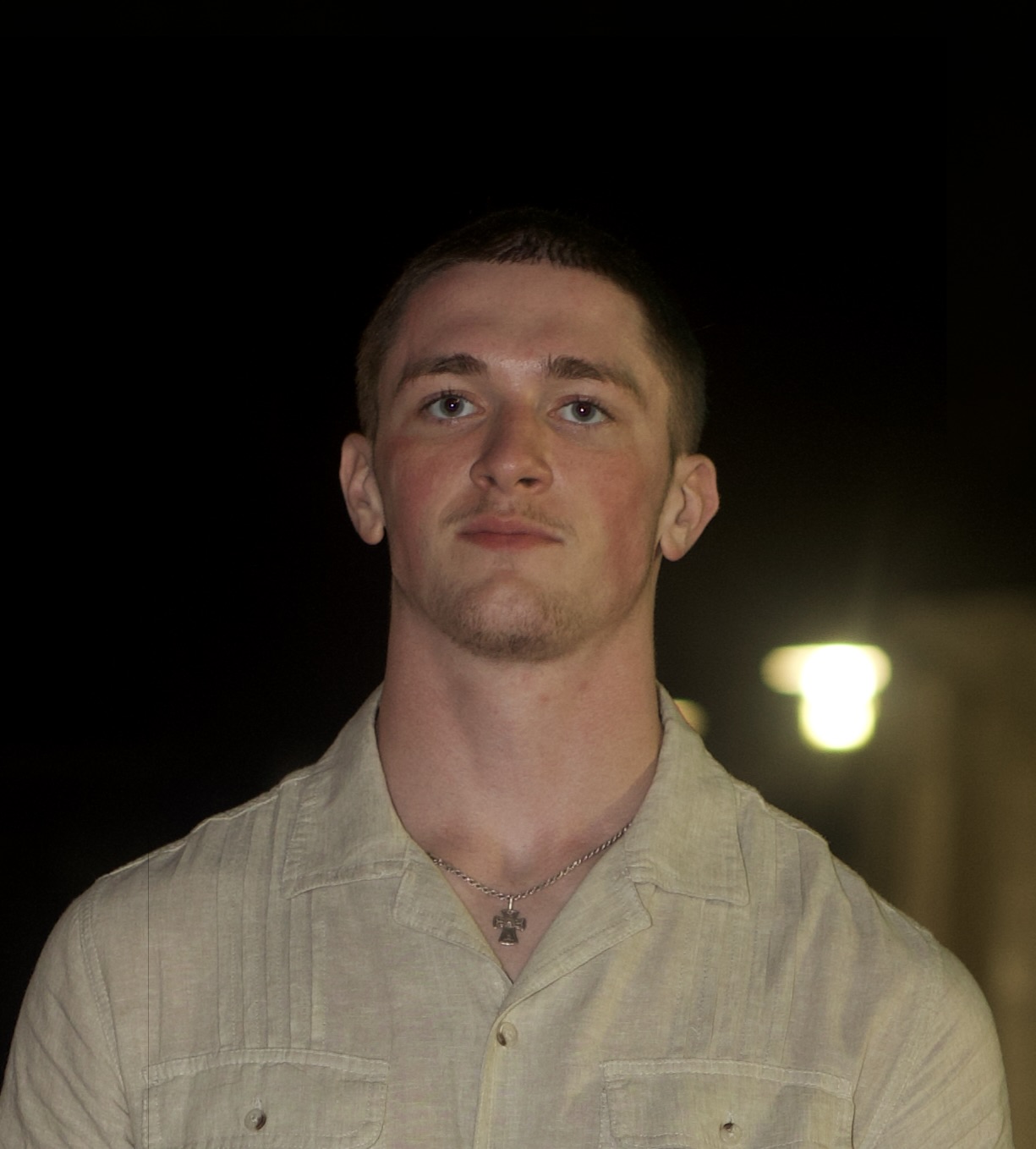
As a pre-medical chemistry student, I am interested in applications of chemistry in the advancement of medical imaging techniques for metabolic tracking and improving diagnostic accuracy.

I am particularly interested in connecting computer science with hyperpolarization-based molecular imaging to trace biomolecules for tumor detection, contributing to interdisciplinary research that potentially supports advancing neurosurgery.
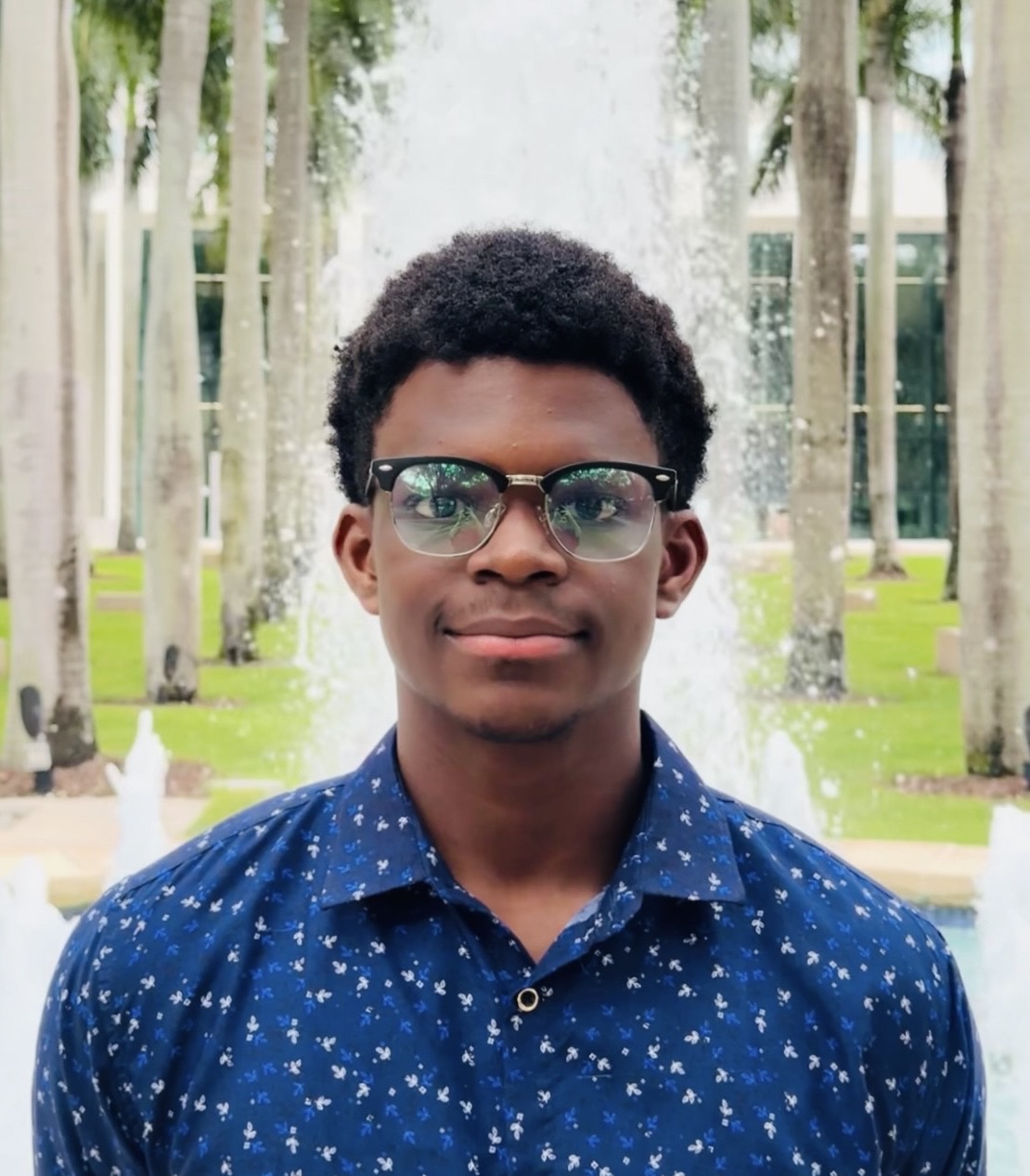
My research centers on understanding the bridge between quantum electrodynamics, spin dynamics, and chemical systems, with nuclear magnetic resonance (NMR) serving as a key experimental and theoretical framework.I also explore how artificial intelligence can augment analytical and diagnostic workflows with the goal of integrating spin physics, NMR theory, and AI-driven modeling, to develop more powerful tools for chemical analysis and precision health applications.
We use cookies. They help us to understand your interactions with the website.